


‘The more we learn about bats, the less we fear them’
“I work on bats because I grew up surrounded by all things bat (his parents are bat researchers too), and I love them. But they also offer important ecosystem services,” he says, over a Zoom call from Hyderabad, where he is based. The biggest services bats provide to the ecosystem are through their diet, Aditya explains. “Fruit-eaters disperse seeds by excreting them in various places, nectar-eaters pollinate flowers, insect-eaters suppress insect populations, and carnivorous bats help keep rodent populations in check.
Equally importantly, bats serve as ecological indicators. “A good diversity of bats means that you have a healthy ecosystem,” he says, pointing out that they are also just very unique and cool. “They’re the only mammals that can truly fly, they’re super diverse (nearly one-fifth of all mammal species), and have nearly 60 million years of evolution behind incredible adaptations ranging from long tongues for nectar-feeding to complicated echolocation to highly efficient flight.”
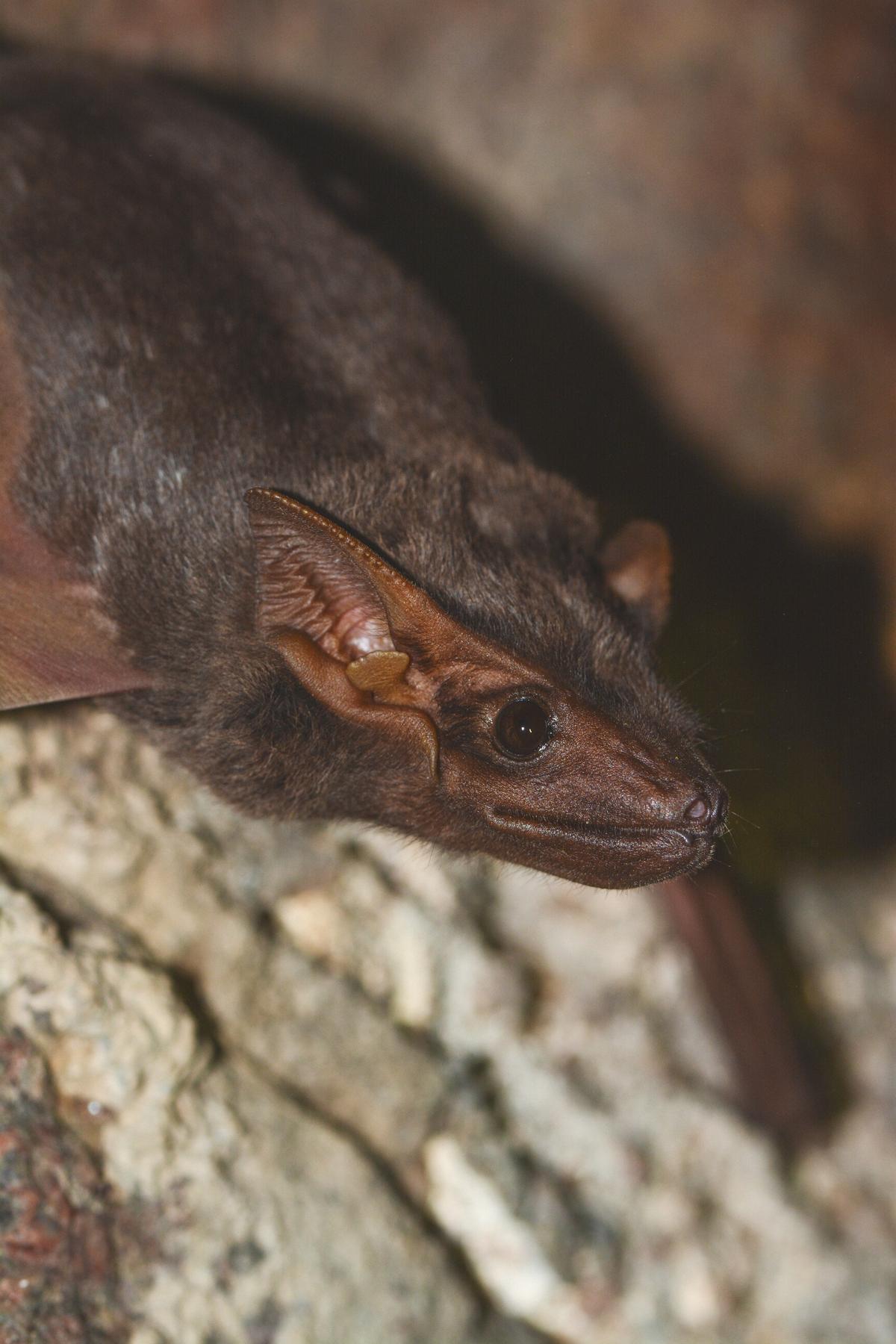
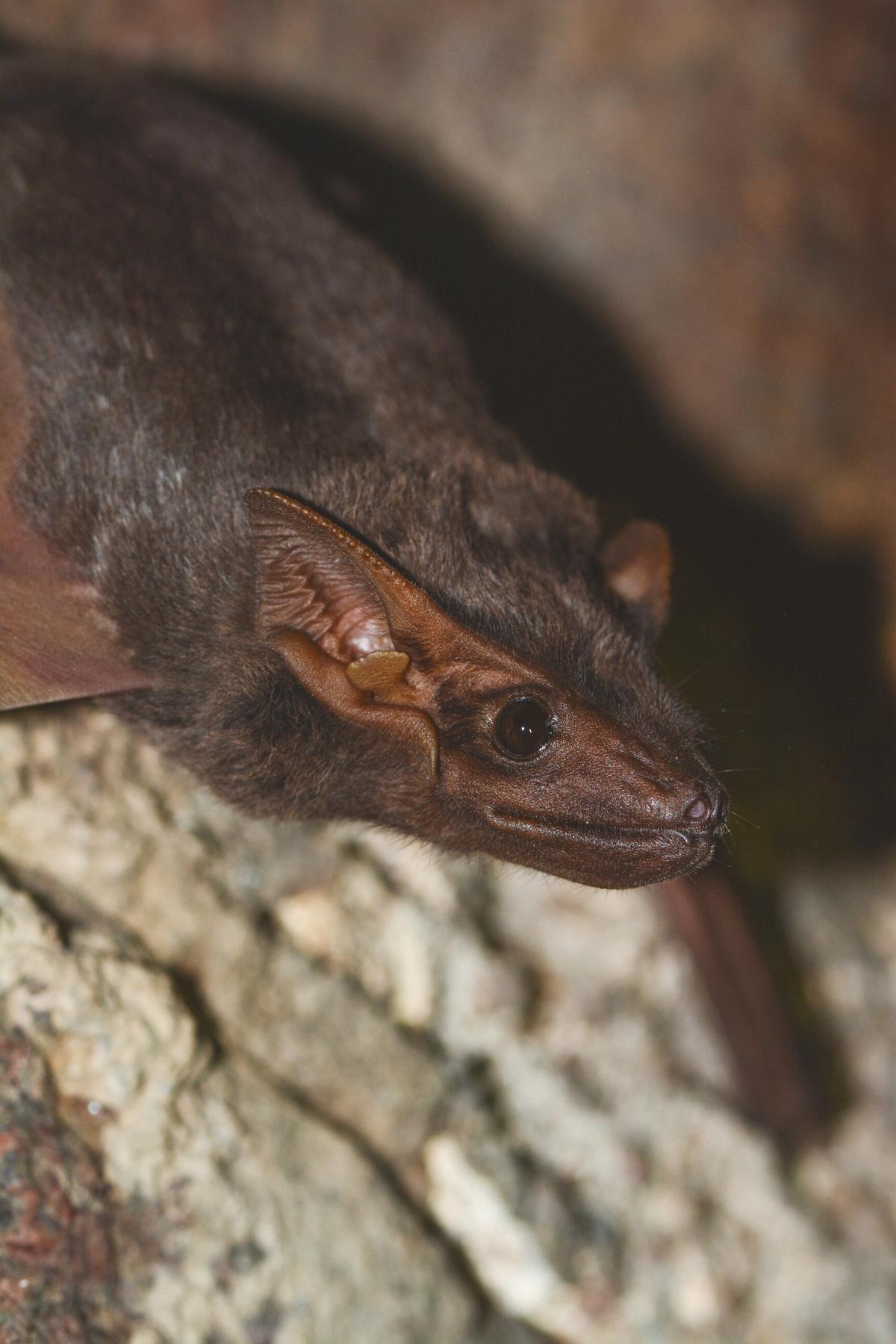
A long-winged tomb bat from Golconda Fort in Hyderabad
| Photo Credit:
Aditya Srinivasulu
However, despite their importance, knowledge about bats remains sparse and fragmented, “across individual papers, unpublished archives, and unevenly sampled regions,” he says. One aspect of these animals that we know especially little about is echolocation, a biological sonar system in which animals, such as bats, dolphins, and some birds, interpret the returning echoes of their emitted sounds to navigate their environment.

“Bats aren’t actually blind. Fruit-eaters can see extremely well, and even insect-eaters have better eyesight than us – they’re just so much better at echolocation,” says the Aditya, who recently led a study cataloguing echolocation data for 86 species of bats, approximately 60% of all South Asian bats known to use echolocation, the results of which were recently published in the Journal of Threatened Taxa.
In the study, Aditya and his co-authors, Chelmala Srinivasulu, Bhargavi Srinivasulu, Deepa Senapathi, and Manuela González-Suárez, performed a meta-analysis of echolocation calls described in 35 research papers and, based on around 6,000 archival recordings, created the first regional database of calls of South Asian bat species.
“Then we mapped this knowledge and found that there are many places where lots of species are known to exist, but we know nothing about their calls, including in ‘biodiversity hotspots’ like the Western Ghats and highland Sri Lanka, Northeast India, and in the Eastern Ghats,” Aditya says.
Genesis
Bats have been studied in the South Asian region for a long time, “effectively since the time of (Carl) Linnaeus described bats…some of the specimens he was seeing were from here,” says Aditya. Conservation, however, is a different story. “There is a lot of work to be done in bat conservation, because until very recently, a lot of bat species were classified as vermin (Under India’s Wildlife (Protection) Act of 1972, animals classified as vermin can be legally hunted).”
Then, in the ‘90s, two bat species, Salim Ali’s fruit bat and Wroughton’s free-tailed bat, were classified as Schedule 1 species, meaning they are given the highest level of protection under wildlife laws. “Now, I think we have a total of six species in Schedule 1 and the rest of the bat species aren’t classified as vermin anymore. In that sense, there is progress, but it is recent,” he says, which, in turn, means there is still a lot of work to be done in bat conservation.
Aditya, who recently received his PhD from the University of Reading (UK), was trying to better understand bats in South Asia as part of his doctoral research, which led to this paper. “The main theme of my PhD was to explore how much (and how little) we know about bats in South Asia,” says Aditya. His study focused on their geographic distribution and how ecological disturbances caused by human activities, including climate change and habitat destruction, are affecting them.
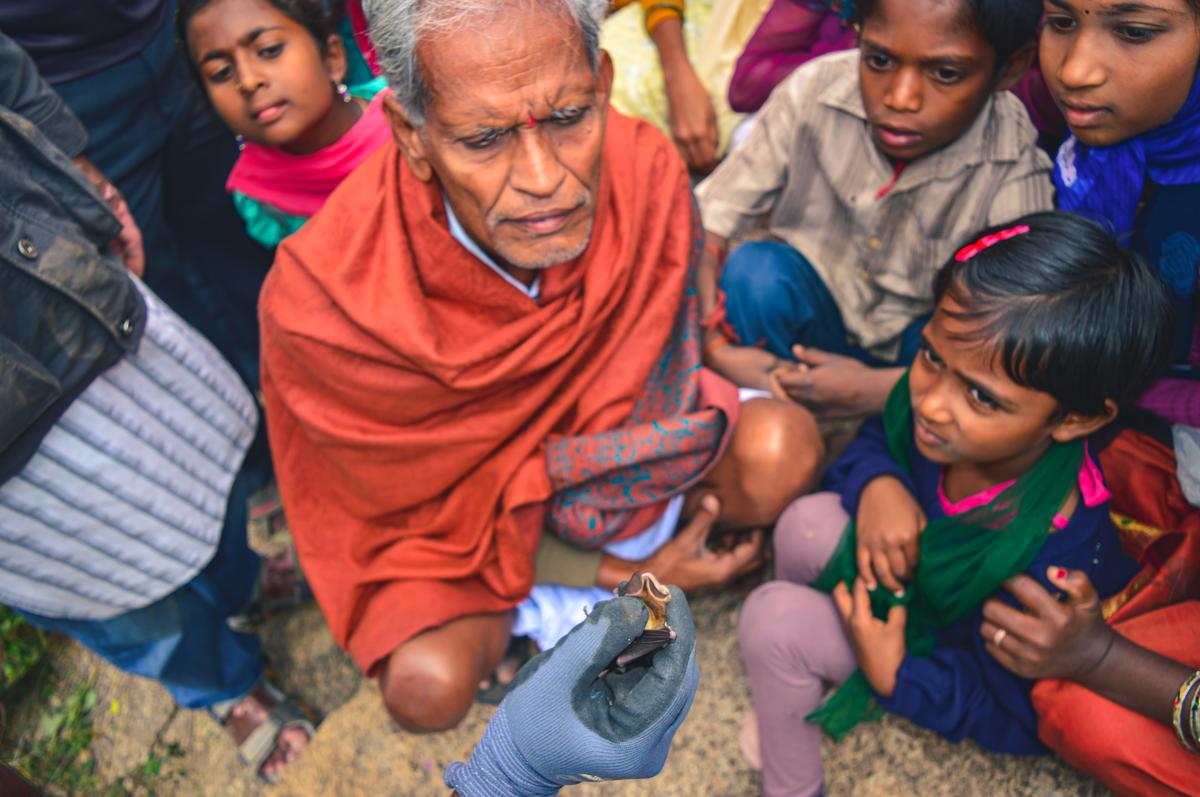
Interacting with the local community in Hanumanhalli village, near where the Critically Endangered Kolar leaf-nosed bat lives
| Photo Credit:
Aditya Srinivasulu
Yet another crucial aspect of his study was to better understand what Aditya refers to as the functional traits of bats. These are traits, he says, that do not just describe how a species looks and behaves, but more crucially, how it actually interfaces with its habitat.
Echolocation, for example, is an important functional trait. “For instance, a bat calling using high-pitched and short calls (which dissipate very quickly in the air) will have to fly fast and low near foliage to make sure it doesn’t lose ‘sight’ of where it’s going. “Just from two call traits (how high and how short the call is), we’ve now inferred how high and fast the bat can fly, where it might prefer to fly, and also what it might eat,” he says.
Conservation and knowledge
Not only do studies on functional traits, like Aditya’s, reveal more about the biology of bats, but they could also be critical tools in our conservation efforts. “From the lens of conservation, this allows scientists to observe nature without disturbing it and, importantly, opens up the possibility of monitoring bat species across various locations without the need for collecting, handling, and stressing the animals out,” he says.
Given that over a third of bats worldwide are threatened, “I think building our knowledge while also minimising our impact on nature is the way forward to effectively conserving them.“
In Aditya’s opinion, the more we learn about bats, the less we fear them, especially considering we already have a rather chequered relationship with these animals. “South Asia’s culture is incredibly complex and historic, and this relates to our relationship with bats too. Ranging from fear and superstition to worship in some places, to subsistence on bats as the only source of food, there’s a complicated and diverse relationship between people and bats in this region.”
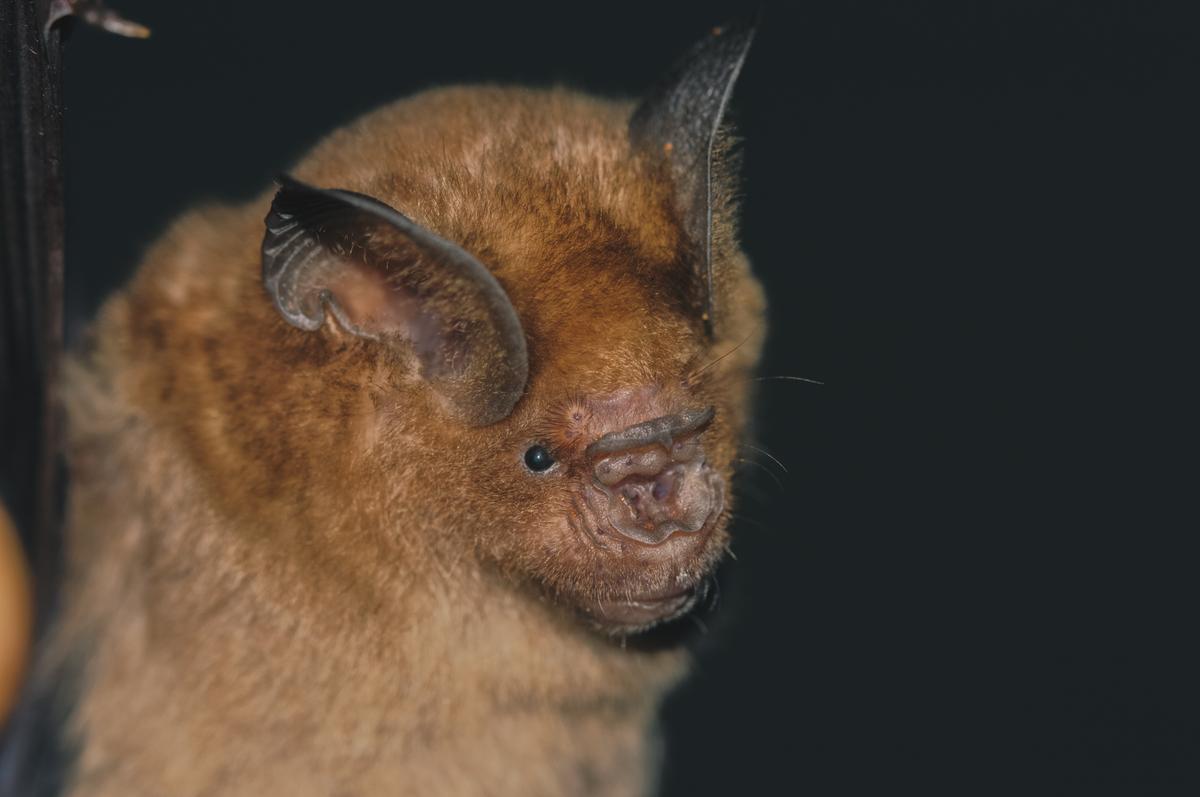
Schneider’s leaf-nosed bat from the underground Siva temple in Hampi.
| Photo Credit:
Aditya Srinivasulu
Throw in the fact that bats are also associated with zoonotic diseases like rabies, COVID-19, and Nipah, and we see bats almost exclusively through a prism of fear.
Aditya understands why we fear them, but believes it is important we remember that they are just wild animals like any other: the less we fear them, the better we will get at protecting them. “We are sharing the same space and the same planet – it’s never us vs them. Our job is to make sure we don’t hurt them and to learn as much about them as we can, because I believe our relationship with nature is extremely integral to cultural heritage.”
Discover more from stock updates now
Subscribe to get the latest posts sent to your email.