Pro-Palestinian protest at Stanford leads to felony trial for five students: Here’s what to know
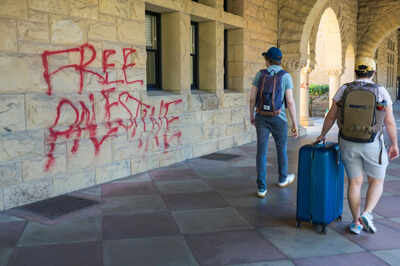
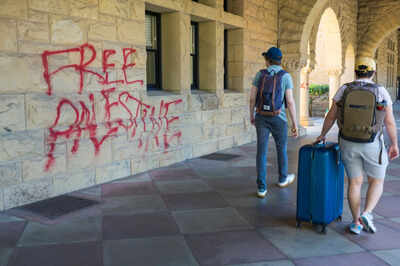
A jury trial began Friday for five current and former Stanford University students charged in connection with a pro-Palestinian protest that occupied the university president’s offices in June 2024. The case is a rare instance in which demonstrators from the wave of campus protests that year are facing trial.Authorities initially arrested and charged 12 people after protesters barricaded themselves inside the offices of the university president and provost for several hours on June 5, 2024, the final day of spring classes at Stanford, located in California’s Silicon Valley.
How charges narrowed from 12 defendants to 5

One defendant, a 21-year-old man, later pleaded no contest under an agreement that allows eligible young defendants to have their cases dismissed and their records sealed if they successfully complete probation. According to the AP, he testified for the prosecution, which led to a grand jury indictment in October against the remaining 11 defendants on felony vandalism and felony conspiracy to trespass charges.6 of those 11 accepted pretrial plea deals or diversion programs. The remaining five pleaded not guilty and are now standing trial.
Allegations and restitution sought by the university
Prosecutors allege the demonstrators spray-painted the building, broke windows and furniture, disabled security cameras and splattered a red liquid described as fake blood throughout the offices. Stanford University is seeking 329,000 dollars in restitution, according to AP.Avi Singh, an attorney representing Stanford student Germán González, said González and the other defendants chose to proceed to a jury trial. “Germán González and the other four defendants are exercising their constitutional right to have a jury trial, and demand the district attorney prove everything that is required for a conviction,” Singh said, according to AP. He added that the case would examine whether the defendants intended to trespass and what their intent was.
Prosecutors cite property damage, not protected speech
Santa Clara County District Attorney Jeff Rosen said last year that the protest crossed a legal line when it caused damage to university property. “Speech is protected by the First Amendment. Vandalism is prosecuted under the penal code,” Rosen said, as quoted by AP.
Part of a broader wave of campus protests
The Stanford case stems from a broader wave of campus protests across the US in 2024, when students at universities nationwide set up encampments and demanded their institutions cut ties with Israel or companies supporting Israel’s military operations in Gaza.About 3,200 people were arrested nationwide during those protests. While some universities resolved demonstrations through negotiations or allowed them to dissipate, others called in law enforcement when protesters refused to leave. Most of the charges filed in those cases were later dismissed.
Discover more from stock updates now
Subscribe to get the latest posts sent to your email.