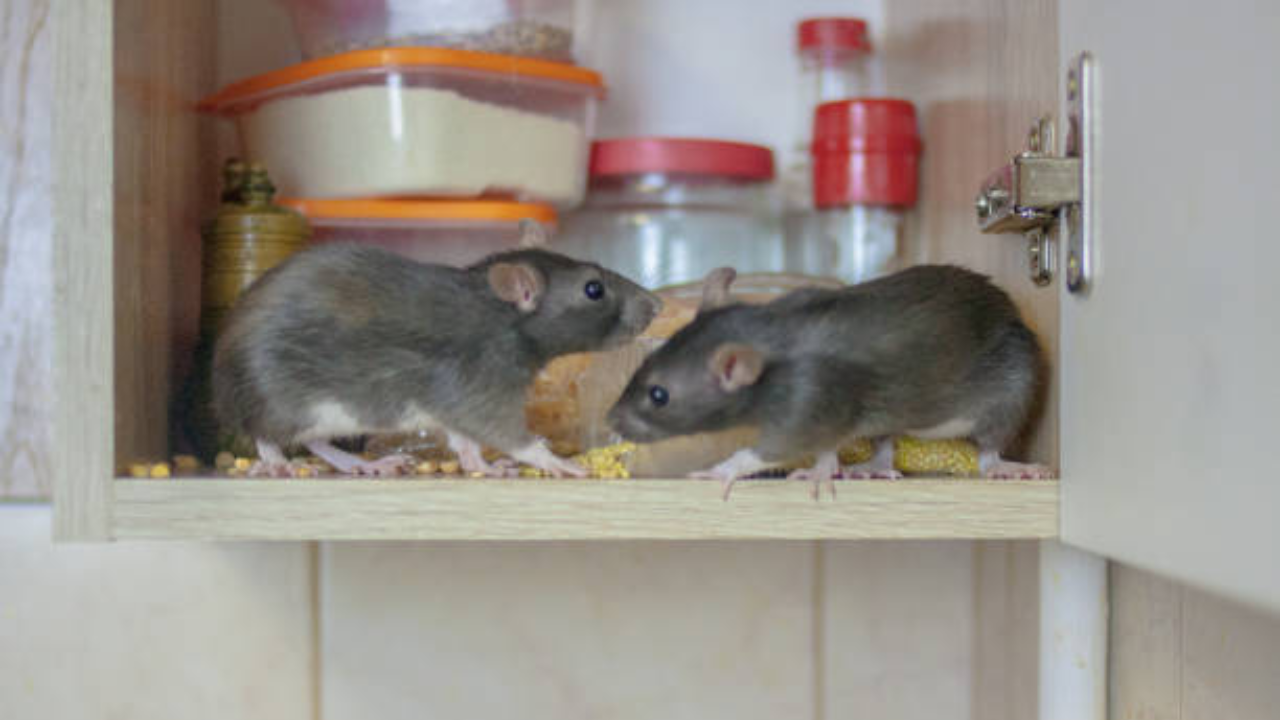



THIS everyday kitchen bread slice could be the safest way to pick up tiny glass shards in your home |
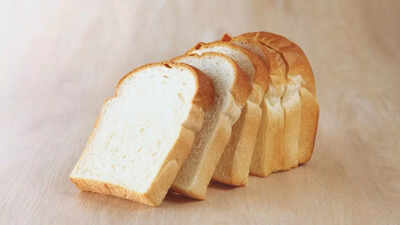
Accidents will happen, and broken glass is one of the most frequent household accidents. The big pieces may be easily spotted and vacuumed, but the small, sparkling pieces are much more dangerous. These are usually left in the grout, in the spaces where appliances are located, and in the corners, silently hurting naked feet and paws. What is most interesting, however, is that a soft slice of bread is surprisingly one of the best ways to eradicate these minute pieces. Its porous texture will shape itself into the surfaces, catching the pieces that a broom and a paper towel may have left behind.The following is a step-by-step guide on how to make a slice of bread your best-kept secret.
Why tiny glass shards are harder to clean and how bread helps

Unlike larger pieces, small shards are deceptive. They scatter easily, cling to surfaces, and can be almost invisible under ordinary lighting. They move when brushed, flicked, or even when air currents pass over them, making traditional cleaning tools less effective. Professionals in restaurants or bars often encounter this issue, finding slivers long after the main spill has been cleared. These stubborn fragments are a real hazard for children, pets, and anyone walking barefoot. Using a tool that conforms to micro-surfaces is essential to eliminate this hidden threat safely.It is porous and slightly tacky so that it can stick to shards without driving them deeper into the crevice. A sponge may rip or move the shards around, or it may just slide across them. A piece of bread pushed gently into the area around the shards will act much like a blotter to catch the fragments the eye may not see. Fresh bread is best. It is important to use soft bread; a crusty or stale loaf will only make the problem worse.
Step-by-step guide to the bread technique
- Prepare the area: Put on shoes and gloves, and move children and pets to another room. Sweep up all visible large pieces with a dustpan.
- Use low lighting: Hold a flashlight close to the floor to spot hidden shards. This reveals fragments that overhead light may hide.
- Blot with bread: Flatten a slice of bread in your hand and press it gently onto the floor. Lift, replace, and repeat, working outward from the spill in a spiral. Avoid dragging or sliding.
- Reaching tight spots: Wrap bread around a credit card for baseboards or use tongs to hold folded bread under appliances.
- Final cleanup: Pat the floor with a damp paper towel and use wide tape to pick up remaining shards. Seal bread and tape in a rigid container or double-layered bag, clearly labeled.
Important safety measures in the removal of small pieces of glass
- Avoid pressing too hard. This can force fragments through a porous surface.
- Do not use stale bread: It becomes crumbly and causes the pieces to spread out
- Delay vacuuming: Vacuum hoses can spew debris backward, spitting it onto the floor. Beater bars can grind debris into surfaces. Vacuum only after the bread-and-tape technique.
- Check hidden areas: Check under place mats, rugs, and pet beds. Use a wet cloth to remove any broken glass.
Pro tips: One is not usually sufficient; systematic circuits will promote a cleaner environment. Alternatives and pro tips: Instead of bread, a slice of raw potato, a marshmallow, and a lint roller can be used to pick up small pieces. The use of bread wrapped around a card or tongs comes in handy when reaching tight areas. Final scans should be done in poor lighting conditions.
Discover more from stock updates now
Subscribe to get the latest posts sent to your email.