



Why does yawning cause watery eyes?

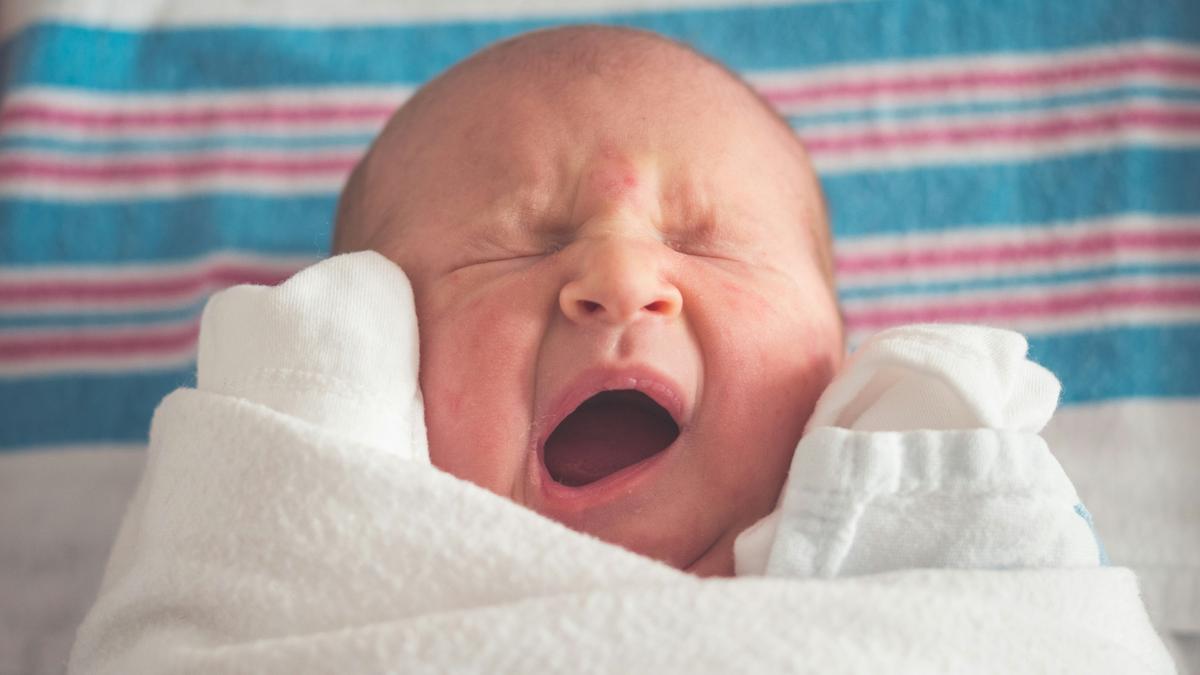
Yawning has important functions for the body.
| Photo Credit: Tim Bish/Unsplash

This happens because yawning affects the muscles and glands around the eyes.
Just above each eye is a tissue called the lacrimal gland. These glands produce water and water-soluble proteins. Our tears consist of three ‘layers’: the aqueous layer from the lacrimal glands, andan oily layer and a mucus layer. These tears protect the eyes from dust, irritants, and microbes that may cause infections.

When you yawn, your facial muscles scrunch up and press on the lacrimal glands. This pressure causes the glands to release more of the aqueous layer. At the same time, the muscles’ movement briefly blocks the tear duct at the inner corner of the eye, near the nose. This duct normally drains tears away. The temporary block however causes the tears to collect on the surface of the eye. When you open your eyes after yawning, the excess tears spill over and roll down your cheeks.
Yawning is not (only) something we do when we are tired or bored. It also has important functions for the body. Scientists have found that yawning might help cool the brain when its temperature increases. It also relieves the discomfort in the ear during rapid altitude changes in airplanes and elevators, by opening the tubes in the ears, allowing the difference in air pressure to balance out.
Published – December 23, 2025 03:07 pm IST
Discover more from stock updates now
Subscribe to get the latest posts sent to your email.