Trump to meet with oil executives. What we know about U.S. Venezuela plans
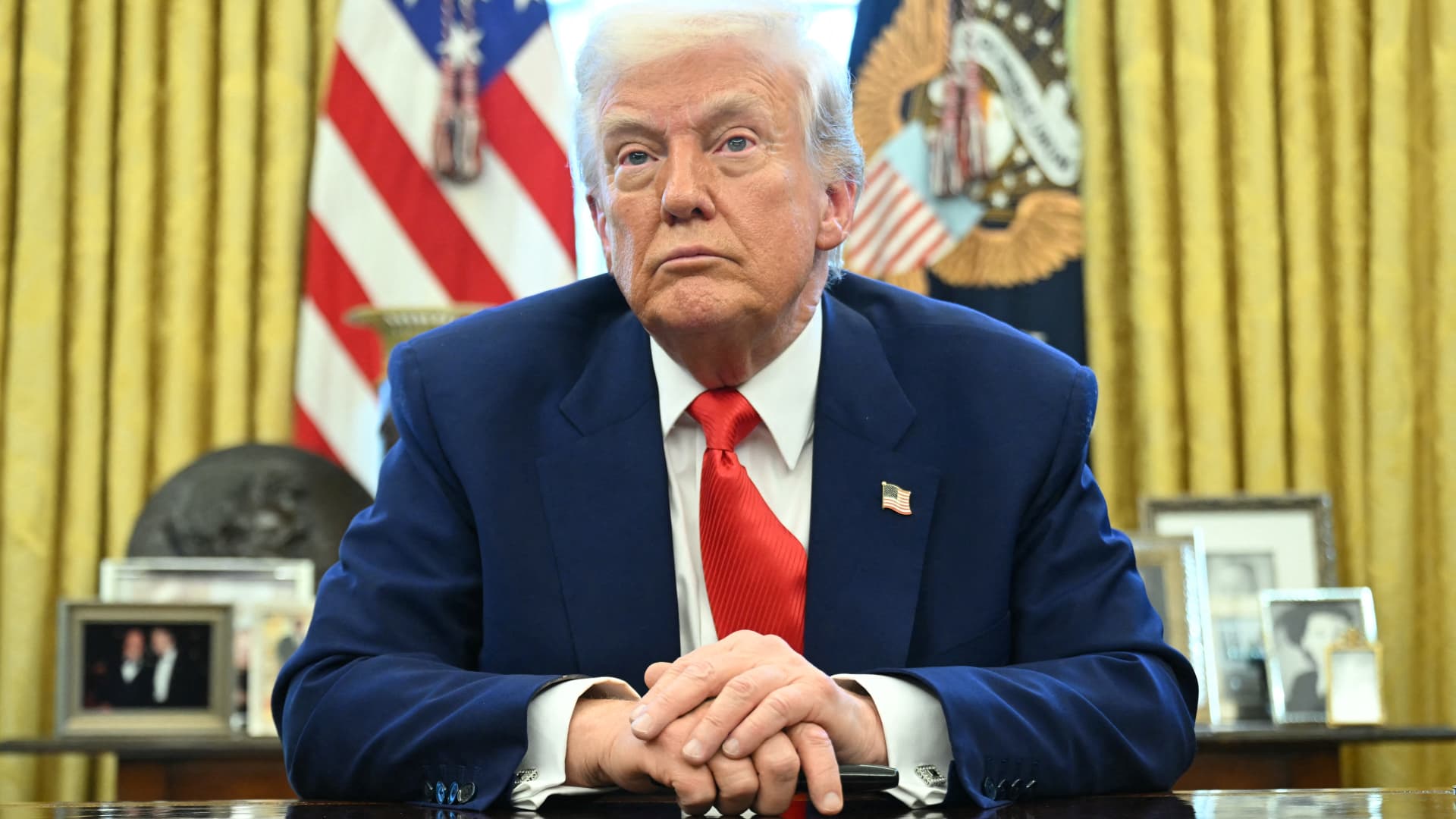
The CEOs of Exxon, ConocoPhillips, Shell and a representative from Chevron will attend, sources told CNBC’s Brian Sullivan. Representatives from Halliburton, Valero and Marathon will also be there.
Secertary of State Marco Rubio, Energy Secretary Chris Wright, and Interior Secretary Doug Burgum are attending as well.
The White House called the 2 p.m. ET meeting, an industry source told CNBC. It was not scheduled at the request of the oil companies, the source said.
Trump said in the immediate aftermath of Maduro’s overthrow that U.S. oil companies will invest billions of dollars to rebuild Venezuela’s energy sector. But the industry has been mostly silent as the security situation and stability of the government in Caracas remains murky.
Venezuela has the largest proven crude oil reserves in the world at 303 billion barrels or about 17% of the global total, according to the U.S. Energy Information Administration.

But its oil sector is in dire disrepair. Production has declined from a peak of about 3.5 million barrels per day(bpd) in the 1990s to only around 800,000 bpd today, according to data from energy consulting firm Kpler.
It will cost tens of billions of dollars to return Venezuelan production to its historic levels, Energy Secretary Wright said at a Goldman Sachs’ conference in Miami Wednesday. Rystad Energy estimates it will cost more than $180 billion through 2040 for Venezuelan production to reach 3 million bpd.
Working with Chevron
The Trump administration has provided few details on how it will encourage oil companies to make large investments in a country with history of nationalizing industry assets.
Chevron is the only U.S. oil company currently operating in Venezuela through a joint venture with state oil company Petróleos de Venezuela (PDVSA). Wright told CNBC Wednesday that the U.S. is working closely with Chevron.
“Chevron is on the ground so we’re getting daily updates,” Wright told CNBC. “They’re actually working [under] this regime. So with them, how can we provide incremental tweaks or changes to allow their model to grow even more,” the energy secretary said.
Venezuelan production could grow by several hundred thousand barrels per day in the short- to medium term with small capital deployments, Wright said.
Exxon, Conoco doubts
But Exxon and Conoco will need reassurances to return to Venezuela, Wright said. The companies exited the country after former President Hugo Chavez seized their assets in 2007. They have billions of dollars in outstanding claims against the government they won in arbitration cases.
Wright said the debts Venezuela owes Exxon and Conoco need to be repaid at some point but are not an immediate priority for the Trump administration. The White House is focused on stabilizing Venezuela’s economy through oil sales, the energy secretary said.
“We’re trying to engineer a transition of Venezuela to a place that Americans want to do business in, want to invest new capital in, want to grow new partnerships with,” Wright said.
But it is unclear whether the White House can convince companies like Exxon and Conoco to return to Venezuela without a dramatic change in government in Caracas.
“The big oil companies who move slowly, who have corporate boards, are not interested,” Treasury Secretary Scott Bessent said Thursday at the Economic Club of Minnesota.
“I can tell you that the independent oil companies and individuals, wildcatters – our phones are ringing off the hook,” Bessent said. “They want to get to Venezuela yesterday.”
Leveraging oil sales
The U.S. has taken control of Venezuela’s oil exports to pressure the government in Caracas, Wright said. Venezuela will ship tens of millions of barrels to the U.S., which the Trump administration will then sell, holding the proceeds in U.S.-controlled accounts, the energy secretary said.
“We need to have that leverage and that control of those oil sales to drive the changes that simply must happen in Venezuela,” Wright said.
The energy secretary said the U.S. is not stealing Venezuela’s oil. The proceeds from the sales will be used to benefit the nation of 30 million, he said. Trump said Wednesday that the revenue from the oil will be used to purchase U.S.-made products.
“I have just been informed that Venezuela is going to be purchasing ONLY American Made Products, with the money they receive from our new Oil Deal,” the president wrote on social media Wednesday.
Purchases will include agricultural products, medicine, medical devices and equipment to modernize Venezuela’s energy sector.
“In other words, Venezuela is committing to doing business with the United States of America as their principal partner,” Trump said.
Discover more from stock updates now
Subscribe to get the latest posts sent to your email.