


Why are the solar system’s planets situated where they are?

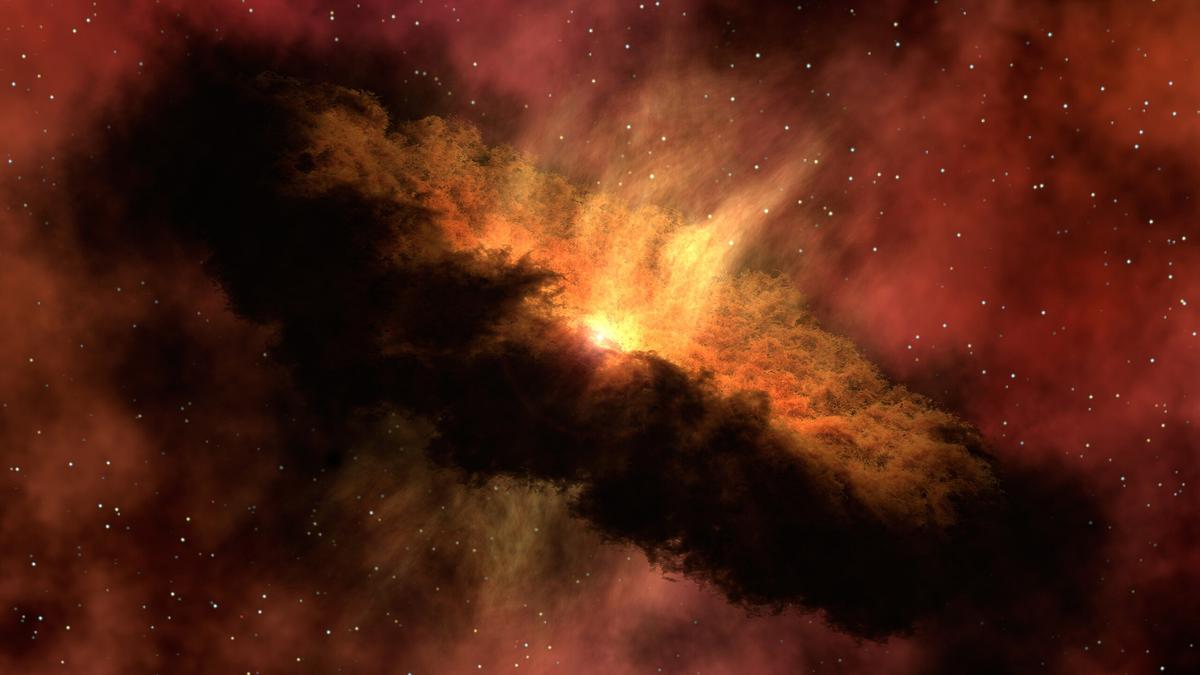
An artist’s impression of a protoplanetary disc around a young star.
| Photo Credit: NASA

The disc was cooler farther out, leaving water, ammonia, and methane to freeze. When these lumps became massive enough, they pulled in large quantities of hydrogen and helium before the disk dispersed, creating the giant planets. This is why Jupiter and Saturn are big and gas-rich and why Uranus and Neptune, which formed even further out, ended up as ‘ice giants’ with less hydrogen and helium.
While the disc existed, young planets tugged on the surrounding gas and on each other, thus being able to move planets inwards or outwards. Some evidence suggests the giant planets shifted positions early on. So the current layout reflects both where different materials could form and how planets migrated and reshuffled during the solar system’s infancy.
Discover more from stock updates now
Subscribe to get the latest posts sent to your email.